

AT A GLANCE:
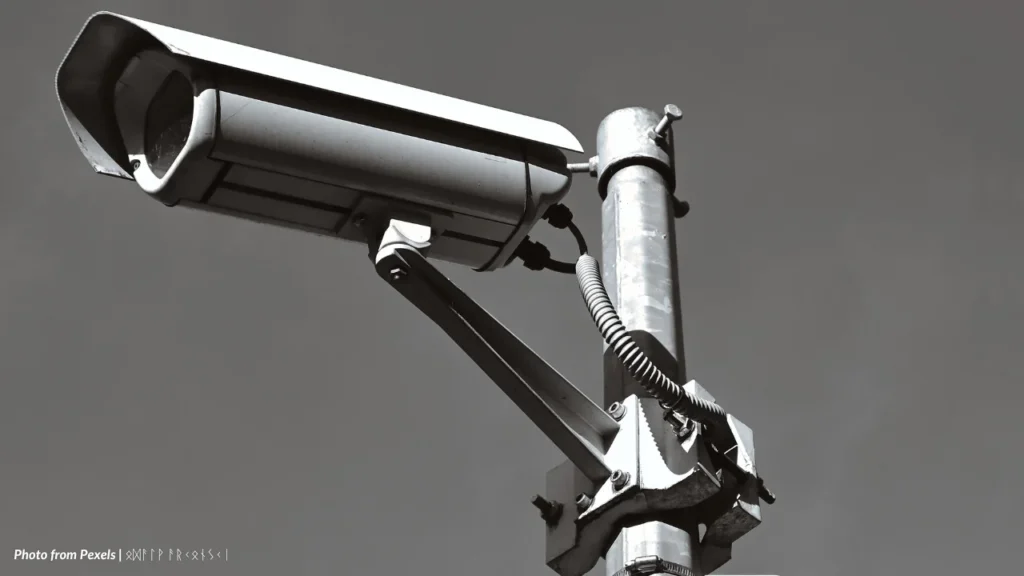
Closed-Circuit Television or CCTV refers to closed-circuit television or camera surveillance system in a fixed or stationary location that can capture images of individuals or other information relating to individuals. CCTV systems where used reasonably and appropriately, are tools which support safety and security of personal information controllers (PICs), personal information processors (PIPs), and date subject. NPC Advisory No. 2020-04
On November 16, 2020, the National Privacy Commission released NPC Advisory No. 2020-04 or the Guidelines on the Use of Closed-Circuit Television (CCTV) Systems.
The said advisory is governed by the following principles:
- CCTV systems, where used reasonably and appropriately, are tools which support safety and security of personal information controllers (PICs), personal information processors (PIPs), and data subjects.
- The use of CCTV systems shall consider its impact on the rights and freedoms of data subjects and be subject to regular review to ensure that its use remains to be necessary for specified and legitimate purposes.
- The capture, use, retention, and destruction of video and/or audio footages obtained from CCTVs are considered as processing of personal data under the Data Privacy Act of 2012 (DPA). Those who process personal data through CCTV systems, whether as PICs or PIPs shall comply with the Data Privacy Act of 2012, its Implementing Rules and Regulations (IRR) and relevant issuances of the National Privacy Commission (NPC).
The use of CCTV systems shall limited to and consistent with the purpose/s for which the same was established. The DPA recognized that PICs have a legitimate interest to protect their assets, reputation, and business. To this end, PICs may monitor, through CCTVs, as its premised and employers’ use of company assets. Note, however, that employees shall only be collected, used, and stored by the employer, through CCTV monitoring, if the purpose sought to be achieved cannot be fulfilled by any other less privacy intrusive means.
The scope and terms of use of monitoring using CCTV in the workplace must be embodied in a company policy and the employees should be informed of the nature and extent of the monitoring specified in the said policy.
Footage recorded by CCTV cameras shall be stored in a secure manner, whereby its confidentiality, integrity, and availability are maintained and protected. The recorded footage shall be encrypted.
Access to the area where the CCTV footages are stored shall be secured and restricted to authorized personnel or persons only. Access logs for the CCTV footage shall be updated on a regular basis, including transfers, reproductions, and access requests.
Likewise, PICs should restrict monitoring of live CCTV feeds. It should identify responsible persons who are the only ones allowed to monitor such live feeds.
There is no specific or fixed minimum or maximum retention periods for CCTV footage. The same shall be retained only for as necessary to fulfill of the purposes for which the CCTV footage was obtained. Retention period shall not be determined based solely on the storage capacity of a system. Once determined, such information on retention period shall be clearly documented and form part of the CCTV policies.
The use of CCTV footage for purposes of an administrative investigation may be allowed. The requesting party must provide sufficient proof of the investigation being conducted or the pending complaint before an administrative body.
Read more:
- Procedure for Handling Data Privacy Breach
- General Principles for Data Sharing Under the Data Privacy Act
Click here to subscribe to our newsletter
Alburo Alburo and Associates Law Offices specializes in business law and labor law consulting. For inquiries regarding legal services, you may reach us at info@alburolaw.com, or dial us at (02)7745-4391/ 09175772207/ 09778050020.
All rights reserved.