
Photo from Unsplash | Madison Oren
The following post does not create a lawyer-client relationship between Alburo Alburo and Associates Law Offices (or any of its lawyers) and the reader. It is still best for you to engage the services of a lawyer or you may directly contact and consult Alburo Alburo and Associates Law Offices to address your specific legal concerns, if there is any.
Also, the matters contained in the following were written in accordance with the law, rules, and jurisprudence prevailing at the time of writing and posting, and do not include any future developments on the subject matter under discussion.
AT A GLANCE:
Section 3, Article XIII of the 1987 Constitution provides that the State shall guarantee the rights of all workers to self-organization, collective bargaining and negotiations, and peaceful concerted activities, including the right to strike in accordance with law. They shall be entitled to security of tenure, humane conditions of work, and a living wage. They shall also participate in policy and decision-making processes affecting their rights and benefits as may be provided by law.
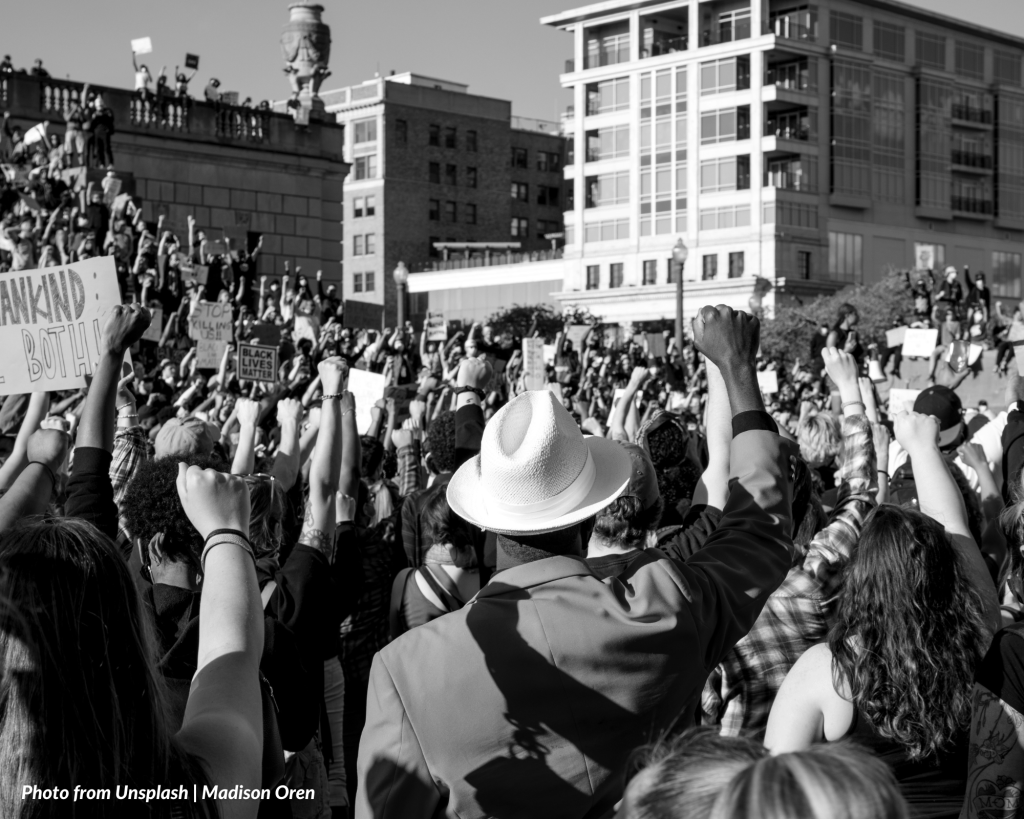
Peaceful concerted activities are collective actions by employees aimed at improving working conditions, addressing labor issues, or protecting their interests. These activities are recognized and protected under the Labor Code of the Philippines, as amended, and the 1987 Constitution of the Philippines, which guarantee workers the rights to self-organization, collective bargaining, and participation in concerted activities, including the right to strike in accordance with the law.
Section 4, Article III of the 1987 Constitution ensures that no law shall be passed abridging the freedom of speech, of expression, or of the press, or the right of the people peaceably to assemble and petition the government for redress of grievances.
Furthermore, Section 3, Article XIII of the 1987 Constitution provides that the State shall guarantee the rights of all workers to self-organization, collective bargaining and negotiations, and peaceful concerted activities, including the right to strike in accordance with law. They shall be entitled to security of tenure, humane conditions of work, and a living wage. They shall also participate in policy and decision-making processes affecting their rights and benefits as may be provided by law.
Specifically, Article 278(b) of the Labor Code, as amended, guarantees that workers shall have the right to engage in concerted activities for purposes of collective bargaining or for their mutual benefit and protection. The right of legitimate labor organizations to strike and picket and of employers to lockout, consistent with the national interest, shall continue to be recognized and respected. However, no labor union may strike and no employer may declare a lockout on grounds involving inter-union and intra-union disputes.
The Supreme Court has consistently upheld these rights. In Ilaw at Buklod ng Mangagawa (IBM), v. National Labor Relations Commission (NLRC), G.R. No. 91980, June 27, 1991, the Supreme Court held that among the rights guaranteed to employees by the Labor Code is that of engaging in concerted activities in order to attain their legitimate objectives.
Moreover, the more common of these concerted activities as far as employees are concerned are: strikes — the temporary stoppage of work as a result of an industrial or labor dispute; picketing — the marching to and fro at the employer’s premises, usually accompanied by the display of placards and other signs making known the facts involved in a labor dispute; and boycotts — the concerted refusal to patronize an employer’s goods or services and to persuade others to a like refusal. On the other hand, the counterpart activity that management may licitly undertake is the lockout — the temporary refusal to furnish work on account of a labor dispute.
The Court emphasized that the legality of these concerted activities is usually dependent on the legality of the purposes sought to be attained and the means employed to achieve them.
The Labor Code further defines these actions. Article 219 (o) of the Labor Code, as amended defines “Strike” means any temporary stoppage of work by the concerted action of employees as a result of an industrial or labor dispute, while Article 219(p) defines “Lockout” as any temporary refusal of an employer to furnish work as a result of an industrial or labor dispute.
Article 279 outlines prohibited activities and protections:
- Article 279(a) of the Labor Code provides that no labor organization or employer shall declare a strike or lockout without first having bargained collectively in accordance with Title VII of this Book or without first having filed the notice required in the preceding Article or without the necessary strike or lockout vote first having been obtained and reported to the Ministry.
- Article 279(b) of the Labor Code protects peaceful picketing. It states that no person shall obstruct, impede, or interfere with by force, violence, coercion, threats or intimidation, any peaceful picketing by employees during any labor controversy or in the exercise of the right to self-organization or collective bargaining, or shall aid or abet such obstruction or interference.
- Article 279(e) prohibits no person engaged in picketing shall commit any act of violence, coercion or intimidation or obstruct the free ingress to or egress from the employer’s premises for lawful purposes, or obstruct public thoroughfares.
By understanding the legal provisions and Supreme Court rulings, both employees and employers can maintain harmonious labor relations while respecting the rights and responsibilities of each party.
Related Articles:
Click here to subscribe to our newsletter
Alburo Alburo and Associates Law Offices specializes in business law and labor law consulting. For inquiries regarding legal services, you may reach us at info@alburolaw.com, or dial us at (02)7745-4391/ 09175772207/ 09778050020.
All rights reserved.
Leave a Reply