
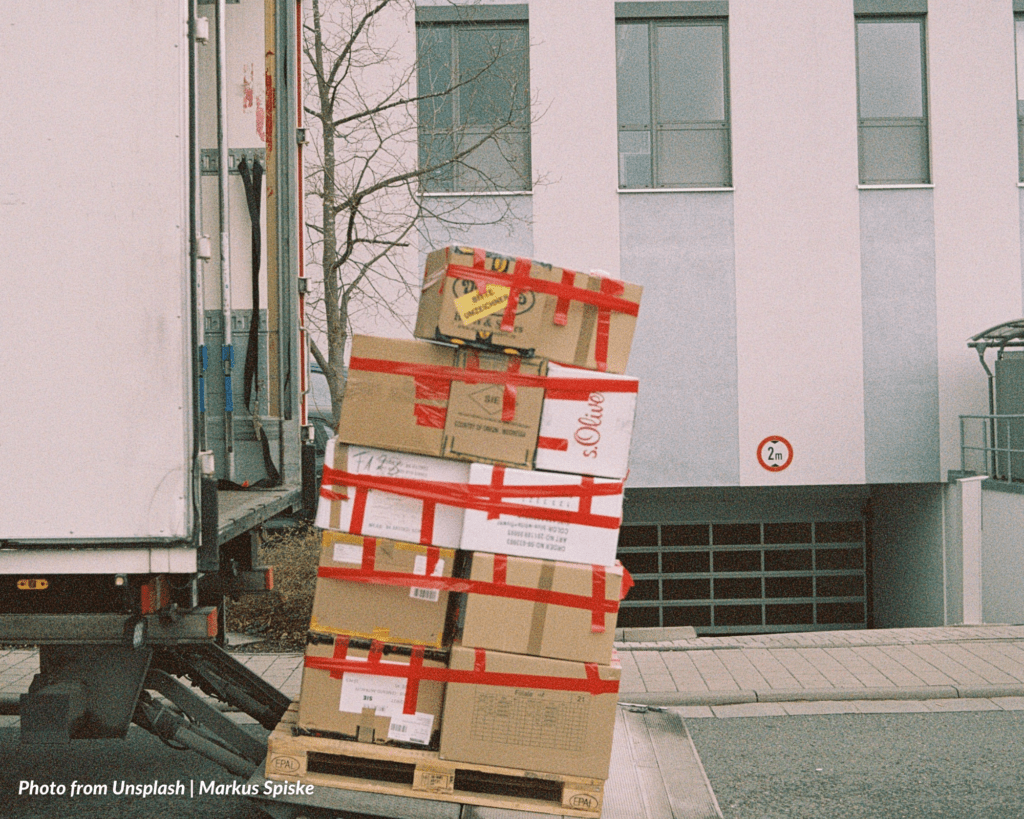
Photo from Unsplash | Markus Spiske
This article was originally published on January 29, 2021 and has been updated to reflect recent legal developments.
This article is provided for general informational purposes only and does not create, nor shall it be construed as creating, a lawyer-client relationship between Alburo Alburo and Associates Law Offices (or any of its lawyers) and the reader. For advice on specific legal concerns, you are encouraged to engage the services of a qualified lawyer. You may also directly consult Alburo Alburo and Associates Law Offices for proper guidance tailored to your situation.
The views and information presented herein are based on the laws, rules, and jurisprudence prevailing at the time of writing. They do not take into account subsequent legal developments and should not be relied upon as a substitute for professional legal advice.
AT A GLANCE:
On the other hand, a service is considered defective, under Article 99 of Republic Act no. 7394, when it does not provide the safety the consumer may rightfully expect of it, taking the relevant circumstances into consideration.
“Love is your greatest asset, fear is your greatest liability, and joy is your greatest reward.” – Matshona Dhliwayo
In everyday transactions, consequences follow actions. This is especially true for those engaged in the manufacture, production, or importation of goods. Under the law, these parties may be held liable for defects arising from the design, manufacture, construction, assembly, formulation, presentation, or packaging of their products, as well as for insufficient or inadequate information on their use and hazards.
Simply put, manufacturers, producers, and importers may be held liable for defective products.
When is a Product Considered Defective?
Under Article 4(au) of Republic Act No. 7394 or the Consumer Act of the Philippines, a “materially defective product” means a product which, because of the pattern of the defect, the number of defective products distributed in commerce and the severity of the risk or otherwise, creates a substantial risk of injury to the public.
Further, Article 97 of Republic Act No. 7394 provides for when a product is defective. It state that:
“A product is defective when it does not offer the safety rightfully expected of it, taking relevant circumstances into consideration, including but not limited to:
- ) presentation of product;
- ) use and hazards reasonably expected of it;
- ) the time it was put into circulation.”
When is a Product Considered NOT Defective?
Also provided under Article 97 that a product is not considered defective because another better quality product has been placed in the market.
When is the manufacturer not liable?
The manufacturer, builder, producer or importer shall not be held liable when it evidences:
- that it did not place the product on the market;
- that although it did place the product on the market such product has no defect;
- that the consumer or a third party is solely at fault. (Article 97, Republic Act No. 7394)
Liability of Sellers or Tradesmen
But, what happens when a manufacturer, producer, or importer cannot be identified. Is there any other person who may be held liable? Yes. Article 98 of Republic Act No. 7394 states that tradesmen or sellers are likewise liable for defective products when:
- it is not possible to identify the manufacturer, builder, producer or importer.
- the product is supplied, without clear identification of the manufacturer, producer, builder or importer;
- he does not adequately preserve perishable goods. The party making payment to the damaged party may exercise the right to recover a part of the whole of the payment made against the other responsible parties, in accordance with their part or responsibility in the cause of the damage effected.
Liability for Defective Services
Liability is not limited to goods. It also extends to services.
A service is defective when it does not provide the safety the consumer may rightfully expect of it, taking the relevant circumstances into consideration, including but not limited to:
- the manner in which it is provided;
- the result of hazards which may reasonably be expected of it;
- the time when it was provided. (Article 99, Republic Act no. 7394)
Click here to subscribe to our newsletter
Alburo Alburo and Associates Law Offices specializes in business law and labor law consulting. For inquiries regarding legal services, you may reach us at info@alburolaw.com, or dial us at (02)7745-4391/ 09175772207/ 09778050020.
All rights reserved.