

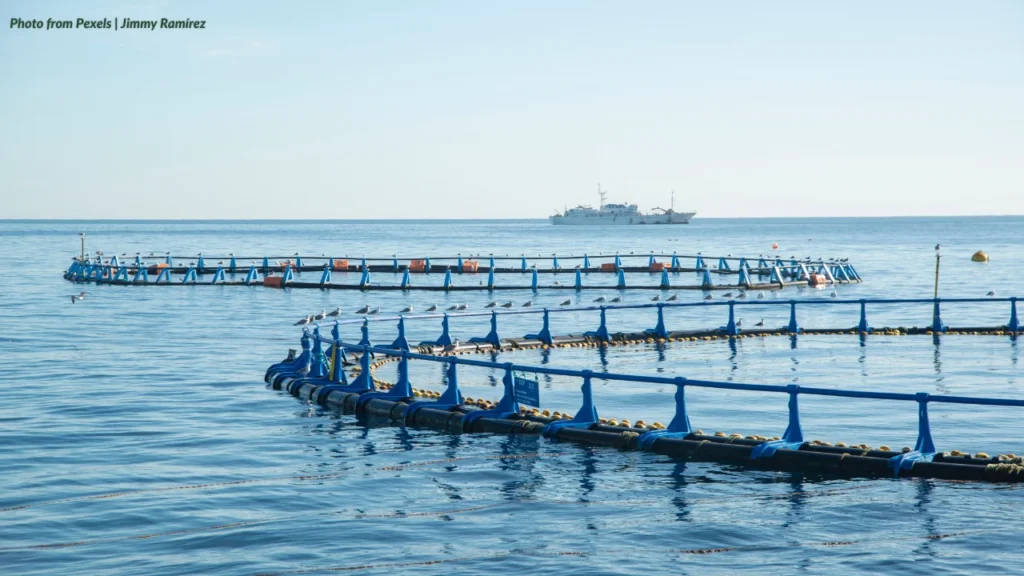
Photo from Pexels | Jimmy Ramírez
This article is provided for general informational purposes only and does not create, nor shall it be construed as creating, a lawyer-client relationship between Alburo Alburo and Associates Law Offices (or any of its lawyers) and the reader. For advice on specific legal concerns, you are encouraged to engage the services of a qualified lawyer. You may also directly consult Alburo Alburo and Associates Law Offices for proper guidance tailored to your situation.
The views and information presented herein are based on the laws, rules, and jurisprudence prevailing at the time of writing. They do not take into account subsequent legal developments and should not be relied upon as a substitute for professional legal advice.
AT A GLANCE:
Individuals seeking to operate fishing vessels, to engage in any fishing activities, or to seek employment as a fishworker or pearly diver must first seek a license from the Department of Agriculture.
Republic Act No. 8550, otherwise known as the Philippine Fisheries Code of 1998, as amended by Republic Act No. 10654, provides the rules and regulations governing Commercial Fisheries.
This is in line with the declared policy of the state under Section 2(g) of the law to grant the private sector the privilege to utilize fishery resources under the basic concept that the grantee, licensee or permittee thereof shall not only be a privileged beneficiary of the State but also active participant and partner of the Government in the sustainable development, management, conservation and protection of the fishery and aquatic resources of the country.
What is Commercial Fishing?
Commercial fishing in Section 4(10) of the Philippine Fisheries Code of 1998 is defined as the taking of fishery species by passive or active gear for trade, business and profit beyond subsistence or sports fishing and is further classified as:
1) Small scale commercial fishing
- It refers to fishing with passive or active gear utilizing fishing vessels of 3.1 gross tons (GT) up to twenty (20) GT;
2) Medium scale commercial fishing
- It refers to fishing utilizing active gears and vessels of 20.1 GT up to one hundred fifty (150) GT; and
3) Large commercial fishing
- It refers to fishing utilizing active gears and vessels of more than one hundred fifty GT.
What is Commercial Scale?
Section 4(11) of the Philippine Fisheries Code of 1998 defines Commercial Scale as a scheme of producing a minimum harvest per hectare per year of milkfish or other species including those raised in pens, cages, and tanks to be determined by the Department in consultation with the concerned sectors.
Who may operate a Commercial Fishing Vessel?
Under Section 26 of the Philippine Fisheries Code of 1998, No person shall operate a commercial fishing vessel, pearl fishing vessel or fishing vessel for scientific, research or educational purposes, or engage in any fishery activity, or seek employment as a fishworker or pearl diver without first securing a license from the Department of Agriculture, the period of which shall be prescribed by the Department of Agriculture.
Exception to the License Requirement
However, Section 26 also provides that no such license shall be required of a fishing vessel engaged in scientific, research or educational purposes within Philippine waters pursuant to an international agreement of which the Philippines is a signatory and which agreement defines the status, privileges and obligations of said vessel and its crew and the non-Filipino officials of the international agency under which said vessel operates. Provided, further, That members of the crew of a fishing vessel used for commercial fishing except the duly licensed and/or authorized patrons, marine engineers, radio operators and cooks shall be considered as fisherfolk: Provided, furthermore, That all skippers/master fishers shall be required to undertake an orientation training on detection of fish caught by illegal means before they can be issued their fishworker licenses: Provided, finally, That the large commercial fishing vessels license herein authorized to be granted shall allow the licensee to operate only in Philippine waters seven (7) or more fathoms deep, the depth to be certified by the NAMRIA, and subject to the conditions that may be stated therein and the rules and regulations that may be promulgated by the Department.
Who is eligible for a commercial fishing vessel license?
Section 27 provides for the Persons Eligible for Commercial Fishing Vessel License, as follows:
No commercial fishing vessel license shall be issued except to citizens of the Philippines, partnerships or to associations, cooperatives or corporations duly registered in the Philippines at least sixty percent (60%) of the capital stock of which is owned by Filipino citizens. No person to whom a license has been issued shall sell, transfer or assign, directly or indirectly, his stock or interest therein to any person not qualified to hold a license. Any such transfer, sale or assignment shall be null and void and shall not be registered in the books of the association, cooperative or corporation.
For purposes of commercial fishing, fishing vessels owned by citizens of the Philippines, partnerships, corporations, cooperatives or associations qualified under this section shall secure Certificates of Philippine Registry and such other documents as are necessary for fishing operations from the concerned agencies: Provided, That the commercial fishing vessel license shall be valid for a period to be determined by the Department.
Can you operate after receiving your commercial fishing vessel license?
Before a commercial fishing vessel holding a commercial fishing vessel license may begin fishing operations in Philippine waters, Section 29 states that the fishing gear it will utilize in fishing shall be registered and a license granted therefor.
Fishing by Philippine Commercial Fishing Fleet in International Waters
Take note that under Section 32, as amended, provides that in case of Distant Water Fishing, fishing vessels of Philippine registry may engage in distant water fishing as defined in this Code: Provided, That they comply with the safety, manning and other requirements of the Philippine Coast Guard, Maritime Industry Authority and other agencies concerned: Provided, however, That they secure a fishing permit, gear license and other clearances from the Department: Provided, further, That the fish caught by such vessels shall be considered as caught in Philippine waters and therefore not subject to all import duties and taxes only when the same is landed in duly designated fish landings and fish ports in the Philippines: Provided, furthermore, That landing ports established by canneries, seafood processors and all fish landing sites established prior to the effectivity of this Code shall be considered authorized landing sites: Provided, finally, That fishworkers on board Philippine registered fishing vessels conducting fishing activities beyond the Philippine Exclusive Economic Zone are not considered as overseas Filipino workers.
Reportorial Requirements
Each commercial fishing vessel shall keep a daily record offish catch and spoilage, landing points, and quantity and value of fish caught, and off-loaded for transhipment, sale and/ or other disposal. Detailed information shall be duly certified by the vessel’s captain and transmitted to BFAR within the period prescribed in the implementing rules and regulations promulgated by the Department. Failure to comply shall result to administrative and penal sanctions. (Section 38, as amended)
Related article: What is Organic Agricultural Act?
Click here to subscribe to our newsletter
Alburo Alburo and Associates Law Offices specializes in business law and labor law consulting. For inquiries regarding legal services, you may reach us at info@alburolaw.com, or dial us at (02)7745-4391/ 09175772207/ 09778050020.
All rights reserved.