

AT A GLANCE:
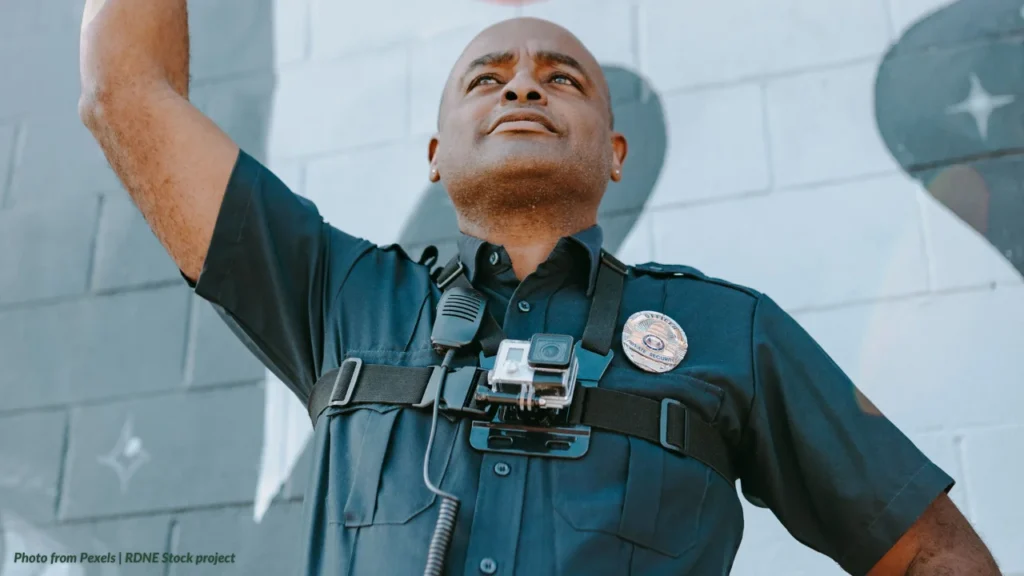
This Circular aims to establish protocols for the protection of data subjects’ personal data and their data privacy rights, ensuring accountability in personal data proceeding activities involving BWCs and ARDs.
What is the scope of NPC Circular No. 2025-01?
Under Section 1 of NPC Circular No. 2025-01, the Circular apply to personal information controllers (PICs) and personal information processors (PIPs) engaged in the processing of personal data through the use of Body-Worn Cameras (BWCs) and alternative recording devices (ARDs).
- The use of BWCs and ARDs for purely personal, family, or household affairs shall be outside of the scope of this Circular. Nonetheless, the use of BWCs or ARDs in these instances shall still bear in mind the rights of every individual to data privacy.
- For purposes of this Circular, purely personal, family, or household affairs refer to the uses that are not intended for profit or commercial gain and where footages are not uploaded, posted, published or otherwise shared online. This includes the use of BWCs or ARDs by individuals, e.g. motorcycle drivers, bicyclists, etc., for personal security purposes. Nevertheless, the totality of the circumstances surrounding the use of BWCs or ARDs will be considered in determining whether the specific activity falls under the exception.
The following factors may be considered in determining whether a specific activity falls outside the scope of the personal, family, or household affairs exception:
- Dissemination of personal data to an indefinite number of people;
- Processing may have an adverse impact on the rights and freedoms of the involved data subjects; and
- Processing of personal data about data subjects who have no personal, family, or household relationship with the person engaged in the processing.
What is an Alternative Recording Device (ARD)?
Under Section 2(A) of the NPC Circular No. 2025-01, an Alternative Recording Device or ARD refers to:
”an electronic device or gadget with a camera system, other than a BWC, that is capable of creating, generating, sending, receiving, storing, displaying, and processing audio-visual recording and is capable of being bodily worn, handheld, attached to the person of an individual or operated as an alternative or substitute for BWC. This includes, but is not limited to, digital cameras, mobile phones, action cameras, smart watches or smart eyeglasses, and other similar devices.”
What is a Body-Worn Camera (BWC)?
It refers to an electronic camera worn by a person that is capable and intended for creating, generating, sending, receiving, storing, displaying, and processing audio-visual recordings. (Section 2(B) of the NPC Circular No. 2025-01)
What is a recording?
Section 2(I) of the NPC Circular No. 2025-01 refers to any digital material generated as a result of using BWCs or ARDs which contains images, audio, and video footage.
Who is considered a vlogger?
A vlogger is someone who makes video blogs or vlogs (recording of thoughts, ideas, or opinions on a subject matter) and posts them on the internet. (Section 2(J) of the NPC Circular No. 2025-01)
What is the Lawful Basis for Using BWCs and ARDs for law enforcement and security ?
Section 3(A) of NPC Circular No. 2025-01 provides that BWCs or ARDs shall be used in a manner consistent with the aim of ensuring the protection of the fundamental rights and freedoms of all data subjects, including law enforcement officers and security guards.
What is the lawful basis for processing?
While under Section 3(A)(1) of NPC Circular No. 2025-01, the processing of personal data by law enforcement agencies (LEAs) and private security agencies (PSAs) shall adhere to the requirements set out in the Circular.
What rules apply to other persons or entities using BWCs and ARDs?
Section 3(C) of NPC Circular No. 2025-01 covers the processing of personal data through BWCs or ARDs for purposes other than law enforcement, police operations, or security.
These purposes may include training, quality control, monitoring, assessment, evaluation, audit, and other related activities.
The Circular provides that such processing shall be subject to the same requirements on having a lawful basis for processing, adherence to the general principles of privacy, implementing safeguards, and upholding data subject rights.
Related article: Prohibited Acts Under the Data Privacy Act of 2012
Click here to subscribe to our newsletter
Alburo Alburo and Associates Law Offices specializes in business law and labor law consulting. For inquiries regarding legal services, you may reach us at info@alburolaw.com, or dial us at (02)7745-4391/ 09175772207/ 09778050020.
All rights reserved.